Abstract: Background: Surface-active agents (surfactants) are essential excipients of toothpaste formulations, where they reduce surface and interfacial tension to enable wetting, dispersion, and emulsification of hydrophobic ingredients such as flavor oils. Of increasing interest is the development of alternative surfactants to enhance toothpaste cleaning performance and provide greater formulation flexibility to modulate interfacial behavior and micelle structure/colloidal organization. Hops beta (β)-acids extract contains amphiphilic molecules that have exhibited surface activity, although the relationship between its structure and behavior is not fully characterized. Methods: In this study, hops β-acids extract (Activ Bio-Cleanser™) was evaluated as a surface-active component in toothpaste-relevant model systems using computational analysis, equilibrium and dynamic surface tension measurements, cryogenic electron microscopy (cryo-EM), and headspace flavor analysis. Results: The principal hops β-acid homologues showed theoretical critical micelle concentrations in the low millimolar range, and hops β-acids extract reduced both equilibrium and dynamic surface tension, including in mixed systems with sodium lauryl sulfate. Microstructure analysis by cryo-EM further revealed that hops β-acids extract altered colloidal organization of the toothpaste simple solutions, promoting spherical micelles while increasing the abundance of multilamellar vesicles and lamellar-like structures. These changes were accompanied by reduced headspace release of representative hydrophobic flavor compounds after dilution. Conclusions: The results confirm that hops β-acids extract demonstrates surface-active behavior in toothpaste systems and contributes to emulsification of hydrophobic components by promoting colloidal polymorphism. The observed reorganization of self-assembled structures provides a physicochemical basis for its role in emulsification and retention of hydrophobic components within formulations. These findings validate that hops β-acid surfactant properties persist when incorporated into toothpaste formulations and can modulate surface and interfacial behavior. Practical Implications: Through its contribution as a surfactant, hops β-acids extract provides a formulation approach to support improved cleaning-related performance and sensory attributes.
Keywords: surfactant, dentifrice, toothpaste, emulsifying properties, hops β-acids, colloidal, microstructure
As fundamental components in toothpaste, surfactants play a central role in cleaning and sensory experience by reducing surface and interfacial tension, which governs key physical processes such as wetting, spreading, emulsification, and foam generation.1-3 Surfactants are essential for emulsifying hydrophobic ingredients like flavor oils, ensuring their dispersion and stability while modulating their release during use, thereby contributing to overall formulation esthetics throughout the shelf life. These interfacial effects additionally facilitate the interaction of toothpaste slurries with air, promoting foam formation, and with oral surfaces and adherent biofilms, supporting the mechanical removal of adherent oral biofilms during brushing.4-8 As such, there is growing interest in enhancing cleaning performance and formulation flexibility that has motivated research into new surface-active ingredients.9
Surfactant systems influence the physical organization of components within toothpaste formulations. Interactions among surfactants, solvents, and hydrophobic phases give rise to a range of self-assembled structures, including micelles and vesicular assemblies that can impact interfacial behavior (eg, foaming) and bulk formulation properties (eg, flavor stability and bloom).10 Historically, surfactants in toothpaste have been selected to modify these attributes; however, there is increasing recognition that surfactant systems may contribute to improved functional performance during use. This has prompted interest in identifying additional surface-active components that can complement conventional surfactant systems.11-15
Hops beta (β)-acids extract represents a type of small, compact, amphiphilic molecule capable of forming micelles with the potential for surface activity. The chemical structure of hops β-acids extract, which contains both lipophilic side branches and polar functional groups, imparts amphiphilic character and suggests potential interfacial activity. These surface-active properties may enable hops to fulfill key roles of surfactants in toothpaste formulations, including emulsifying hydrophobic flavor oils, improving wetting of tooth and biofilm surfaces, and disrupting the biofilm matrix, thereby enhancing formulation stability, sensory attributes, and cleaning performance, respectively.
Despite this, the physicochemical properties of hops β-acids extract as they relate to interfacial activity, particularly the extract’s potential function as a surfactant, remain largely unexplored. In particular, there is limited characterization of the extract’s capacity for self-assembly and its influence on the colloidal microstructure of complex systems. Moreover, the relationship between these molecular and structural attributes and functional formulation outcomes (eg, the emulsification and retention of hydrophobic components like flavor oils) has not been systematically established.
The primary objective of this study was to systematically elucidate and quantify the emulsifying properties of hops β-acids extract and its performance in model toothpaste systems. Specifically, the authors aimed to: (1) computationally estimate the theoretical critical micelle concentration (CMC) of the principal β-acid homologues—lupulone, colupulone, and adlupulone—to provide molecular-level support for their intrinsic surface activity; (2) characterize the effects of hops β-acids extract on surface tension, both alone and in combination with sodium lauryl sulfate (SLS); (3) visualize the influence of hops β-acids extract on the microstructure of model toothpaste systems using cryogenic electron microscopy (cryo-EM); and (4) correlate these microstructural changes to a functional attribute, namely the retention of flavor compounds. By linking the molecular characteristics of hops β-acids extract to formulation-relevant physicochemical behavior in toothpaste systems, this study provides a basis for evaluating its potential as a multifunctional surface-active component in oral care formulations.
Materials and Methods
Materials
The hops β-acids extract (Beta Bio 45%) was procured from Hopsteiner (hopsteiner.us). Toothpaste samples and toothpaste components, including SLS, hydrated silica, glycerin, carrageenan, sodium fluoride, and flavor oil, were sourced from The Procter & Gamble Company (us.pg.com). Deionized water (DI; resistivity >18 MΩ·cm) was utilized in the preparation of all aqueous solutions. For artificial saliva preparation, sodium bicarbonate (NaHCO3), dipotassium hydrogen phosphate (K2HPO4), potassium dihydrogen phosphate (KH2PO4), and sodium chloride (NaCl) were of analytical grade and purchased from Sigma-Aldrich (sigmaaldrich.com/US/en).
Computational Determination of CMC
Computational modeling was employed to determine the theoretical CMC of the principal β-acid homologues found in hops β-acids extract, thereby validating their intrinsic surfactant properties. Molecular structures of the homologues were built and optimized using GaussView (Version 6, Gaussian, Inc., gaussian.com/gaussview6/).16 A machine learning model was created according to a curated database of experimental surfactants properties (SurfPro).17 Molecular dynamics (MD) simulations were performed to ensure the correct self-aggregation behavior of the molecules in an aqueous environment. The CMCs from MD simulations were estimated by analyzing the aggregated molecule clusters formed during the simulation. Gromacs software was used to carry out the MD simulations.18
Equilibrium and Dynamic Surface Tension Measurement
The following aqueous solutions were prepared for surface tension analysis: (1) 0.15% hops β-acids (0.33% (w/w) hops β-acids extract) in DI water; (2) 1.0% (w/w) SLS in DI water; and (3) a mixed solution containing 1.0% (w/w) SLS and 0.03% hops β-acids (0.066% (w/w) hops β-acids extract). Equilibrium surface tension was determined using the Wilhelmy plate method on a KRÜSS K100 tensiometer (KRÜSS GmbH, kruss-scientific.com). Samples were maintained at a constant temperature of 21°C. A platinum plate (PL01, wetting length 40.2 mm) was used as the probe, which was cleaned by flaming prior to each measurement. Data were collected using ADVANCE software (KRÜSS GmbH). Equilibrium surface tension measurements were conducted in five replicates (n = 5). The average value and standard deviation for each sample were calculated using Microsoft Excel.
Dynamic surface tension as a function of surface age was measured using the maximum bubble pressure method on a KRÜSS BP100 tensiometer. A capillary with an inner diameter of 0.362 mm was used. Measurements were conducted logarithmically over a surface age range of 10 ms to 50,000 ms, with 10 data points recorded per decade. The temperature was maintained at 24°C.
Microstructure Analysis by Cryogenic Electron Microscopy
To study the effects of hops on the colloidal structures within toothpaste formulations, model “simple solutions” were prepared using a typical toothpaste formula, both with and without hops β-acids extract. These model solutions contained all liquid and soluble ingredients present in the toothpaste formula, including 2% primary surfactant (SLS), 1.2% mint flavor, and 30% humectants in a buffered aqueous system, but excluded silica abrasives and binders. All solutions were stirred until they were homogeneous and stood at room temperature for 2 weeks before analysis.
Cryo-TEM—For cryogenic transmission EM (cryo-TEM) analysis, samples were applied to glow-discharged grids, and excess liquid was blotted using a Vitrobot Mark IV System (Thermo Fisher Scientific, thermofisher.com) at 20°C and 100% relative humidity, followed by rapid plunge-freezing in liquid ethane. Where single-sided blotting was required, a Leica EM GP2 (Leica Microsystems, leica-microsystems.com) was used. Vitrified grids were maintained below -180°C after preparation and during transfer and imaging using a Model 205 cryo-transfer holder (Simple Origin, simpleorigin.us). Images were collected under low-dose conditions on a Tecnai G2 20 transmission electron microscope (FEI Company, thermofisher.com) operated at 200 kV and equipped with a Gatan Ultrascan 1000XP CCD camera (Gatan, gatan.com). The instrument was also fitted with a Fischione high-angle annular dark-field detector for STEM imaging (Fischione Instruments, fischione.com) and a Bruker XFlash® Detector 5030 for EDS (Bruker, bruker.com).
Cryo-SEM—For cryogenic scanning EM (cryo-SEM) analysis, samples were loaded into brass cryo holders, secured with an acrylate adhesive, and rapidly plunge-frozen in liquid ethane. The vitrified samples were then transferred under vacuum into a Quorum PP3010T cryo-preparation system (Quorum Technologies, quorumtech.com). Inside the preparation chamber, the samples were fractured at approximately -140°C by knocking off the top holder to expose a fresh internal surface. The exposed surface was subsequently sublimated (etched) for 5 minutes at -95°C to reveal topographical detail, before being cooled back to -140°C. To ensure conductivity, the samples were then sputter-coated with a thin layer of platinum for approximately 60 seconds. Imaging was performed on a Hitachi Ethos NX5000 focused ion beam scanning electron microscope (Hitachi High-Tech, hitachi-hightech.com) while maintaining the cryo-stage at -150°C. Images were acquired at an accelerating voltage of 3.0 kV and a beam current of 30 µA.
Flavor Release Analysis by SPME-GC-MS
The release of flavor compounds from model toothpastes was quantified using a dynamic headspace method designed to simulate the dilution and mixing that occurs during brushing. Three representative stannous fluoride toothpastes (I, II, and III) were prepared in-house, containing water, humectants, binder, abrasive, a primary surfactant (SLS), and a model flavor oil. Test formulations were prepared with and without the addition of 0.15% (w/w) hops β-acids. Artificial saliva was formulated to simulate the ionic environment of the oral cavity for the flavor release studies. It was prepared by dissolving NaHCO3 (20 mM), KH2PO4 (12.2 mM), NaCl (15 mM), and K2HPO4 (2.75 mM) in DI water.
For headspace analysis, 0.5 g of each toothpaste was weighed into a 10 mL headspace vial. A simulated brushing protocol was applied by adding 1.0 g artificial saliva to achieve dilution ratios of 2:1 and vortexing the mixture for 30 seconds. Immediately after mixing, the headspace was sampled for 15 seconds using a 50/30 µm DVB/CAR/PDMS solid phase microextraction (SPME) fiber (Supelco, Sigma-Aldrich). All measurements were performed in triplicate.
The analysis was conducted on an Agilent 8890 GC system coupled with an Agilent 5975C MSD (Agilent Technologies, agilent.com) and equipped with a Gerstel Dual Head Rail Autosampler (Gerstel GmbH & Co. KG, gerstel.com). The GC system was equipped with a DB-5MSUI capillary column (30 m x 0.25 mm internal diameter, 0.25 µm film thickness; Agilent Technologies) with helium as the carrier gas at a constant flow of 1.5 mL/min. The SPME fiber was desorbed in the split/splitless inlet at 250°C for 5 minutes in split mode (45:1).
The oven temperature program was: 60°C (0.5 min hold), then 10°C/min to 220°C (0.5 min hold), and finally 20°C/min to 280°C. The mass spectrometer operated in electron ionization mode, scanning from m/z 40 to 450. The ion source and quadrupole temperatures were 230°C and 150°C, respectively.
Gas chromatography-mass spectrometry (GC-MS) data were processed using Agilent MassHunter software. Target flavor compounds were qualitatively identified by retention-time matching with authentic standards and confirmation of their electron ionization mass spectra against reference spectra. Quantification was performed using external calibration curves prepared in 12% SLS. Standards were equilibrated at room temperature for 24 hours, and equilibrium headspace concentrations were calculated from the respective air-liquid partition coefficients. The equilibrated standards were analyzed using the same SPME extraction and GC-MS conditions as the toothpaste samples. All measurements were performed in triplicate (n = 3), and Microsoft Excel was used to calculate the average peak area and standard deviation for each compound.
Results
Hops β-acids extract exhibited surface-active behavior in toothpaste-relevant systems and influenced both interfacial properties and colloidal reorganization. Computational modeling indicated that the principal β-acid homologues possess intrinsic self-assembly potential that was supported by reductions in equilibrium and dynamic surface tension. In mixed systems with SLS, hops β-acids extract modified interfacial adsorption behavior. Structural analysis using cryo-TEM/SEM demonstrated that incorporation of hops altered colloidal microstructure. These changes were associated with reduced headspace release of representative flavor compounds following dilution.
Computational Validation of Intrinsic Surfactant Properties
To establish a theoretical basis for the surface activity of hops β-acids extract, the CMCs of the principal β-acid homologues were estimated computationally. The simulations indicated a clear tendency for these amphiphilic molecules to self-assemble in an aqueous environment. The calculated CMC values for lupulone, colupulone, and adlupulone were 3.56 mmol/L, 4.49 mmol/L, and 4.34 mmol/L, respectively. For reference, the reported CMC of conventional SLS is 8.1 mM.17
Experimental Determination of Equilibrium Surface Activity
The surface activity of hops β-acids extract was evaluated experimentally through equilibrium and dynamic surface tension measurements in aqueous systems. Equilibrium surface tension measurements showed that hops β-acids extract lowered the surface tension of water in a concentration-dependent manner. As standalone solutions, 0.03% and 0.15% (w/w) hops β-acids reduced the surface tension of water from 72.3 mN/m to 44.0 mN/m and 34.8 mN/m, respectively (Table 1). In addition, when 0.03% hops β-acids was added to 1.0% (w/w) SLS, the equilibrium surface tension was lower than that of the SLS solution alone, indicating that the extract also influenced interfacial behavior in the mixed surfactant system.
Dynamic Interfacial Adsorption Behavior
Dynamic surface tension measurements were used to characterize adsorption at the air–water interface and assess the effect of hops β-acids extract in both standalone and mixed surfactant systems. As shown in Figure 1, hops β-acids showed concentration-dependent behavior: both 0.03% and 0.15% (w/w) solutions reduced surface tension over time, with the 0.15% solution showing a faster decrease at short surface ages. In combination with SLS, addition of 0.03% hops β-acids to a 1.0% (w/w) SLS solution yielded lower surface tension at early surface ages than 1.0% SLS alone (Figure 2). These findings indicate that hops β-acids extract influences interfacial adsorption dynamics in the presence of conventional surfactants.
Microstructural Reorganization in Model Toothpaste Solution
The effects of hops β-acids extract on colloidal organization were examined in simplified toothpaste model solutions using cryo-SEM and cryo-TEM. As shown in Figure 3, after 48 hours of equilibration, the control system without hops β-acids extract remained uniformly hazy. By contrast, the hops-containing system was hazy overall but showed a more turbid lower region, producing a vertical turbidity gradient. This visual difference is consistent with the presence of larger or more concentrated light-scattering structures in the lower phase in the system containing hops.
Cryo-TEM was used to examine the nanoscale structures associated with these differences in optical appearance. The control system without hops β-acids extract contained a heterogeneous population of elongated micelles, unilamellar vesicles (ULVs), and multilamellar vesicles (MLVs) (Figure 4).
In contrast, the system containing hops β-acids extract exhibited a higher prevalence of spherical micelles along with an increased abundance of MLVs and ribbon-like assemblies consistent with a lamellar phase (Figure 5 a and b). The coexistence of these larger and more structurally diverse assemblies is consistent with the increased turbidity observed in the hops-containing system. These observations indicate that incorporation of hops β-acids extract alters the distribution and morphology of self-assembled structures within the system.
Cryo-SEM analysis of the lower phase further supported these observations. Although MLVs were present in both systems (with and without hops), those observed in the hops β-acids extract-containing system appeared larger than those in the control (Figure 6 a and b).
Together, the cryo-EM observations indicate that incorporation of hops β-acids extract was associated with a redistribution of self-assembled structures, including changes in micellar morphology and an increased abundance of larger multilamellar and lamellar-like assemblies.
Functional Consequence: Emulsification and Flavor Retention
To assess the functional relevance of the observed microstructural changes, headspace concentrations of representative hydrophobic flavor compounds were measured under simulated use conditions following dilution. As shown in Figure 7, formulations containing hops β-acids extract exhibited lower headspace concentrations of representative flavor compounds 60 seconds after dilution than their corresponding controls across formulas I through III. The consistent reduction in headspace concentration indicates lower volatility under the test conditions.
Lower headspace concentrations under these conditions indicate reduced volatility of the measured compounds and are consistent with increased retention of hydrophobic components within the formulation matrix. These findings align with the observed reorganization of colloidal structures and suggest that incorporation of hops β-acids extract influences the partitioning behavior of hydrophobic components in toothpaste-relevant systems.
Discussion
The present results indicate that hops β-acids extract behaves as a surface-active component on its own and in toothpaste-relevant systems and can alter both interfacial behavior and colloidal organization. In combination with conventional surfactants such as SLS, the observed reductions in dynamic surface tension at early surface ages suggest that hops β-acids extract influences interfacial adsorption kinetics, consistent with participation in mixed surfactant systems. These effects are indicative of co-surfactant behavior, in which amphiphilic species interact at interfaces and within self-assembled structures to alter overall system “surfactancy.”
From an oral care perspective, this combination is notable because surfactant function in toothpaste formulations is not limited to lowering surface tension; it also influences wetting of oral surfaces, dispersion during brushing, and the solubilization or retention of hydrophobic ingredients such as flavors. Overall, the findings link hops β-acids extract to measurable surface activity, changes in supramolecular organization, and lower headspace release of representative flavor compounds. In this context, hops function as a structure-modifying excipient that contributes to emulsification processes and alters the physicochemical environment of the formulation in concert with a broader surfactant system.
The low millimolar CMC values predicted for β-acids, which are notably lower than that of conventional SLS (8.1 mM),17 suggest a higher intrinsic efficiency for aggregation. This was experimentally validated by both equilibrium and dynamic surface tension tests, which indicate effective adsorption of these amphiphilic species at the air–water interface. Notably, the lower dynamic surface tension observed at short surface ages in the SLS + hops β-acids extract system suggests that the extract influences interfacial adsorption kinetics in the presence of SLS. This behavior is consistent with a co-surfactant role, in which β-acid species participate in the formation and reorganization of a mixed interfacial layer and thereby modify the interfacial response of the system relative to SLS alone. Such effects may arise from partial co-adsorption at the interface and/or incorporation into mixed aggregates, which could alter packing characteristics, interfacial charge distribution, and adsorption dynamics. From an oral care perspective, more rapid establishment of an interfacial active layer may be relevant to early-stage wetting, spreading, foaming, and flavor-oil dispersion during brushing, although these performance attributes were not measured directly in the present study.
The microstructural observations suggest that hops β-acids extract modifies the colloidal phase in a manner that can enhance the emulsification capacity of toothpaste systems. In the simplified model system, addition of the hops β-acids extract induced a shift from elongated micelles to a greater prevalence of spherical micelles, while also increasing the abundance and size of MLVs and lamellar phases. This dual behavior of colloidal reorganization across multiple length scales is consistent with a context-dependent co-surfactant effect. In micellar domains, incorporation of anionic β-acid molecules into existing SLS aggregates would be expected to increase interfacial charge density and electrostatic repulsion, thereby increasing the effective headgroup area, decreasing the packing parameter favoring higher-curvature spherical micelles. In contrast, within larger bilayer-based assemblies, steric packing constraints associated with the bulky hydrophobic structure of the β-acids may become more influential and favor lower-curvature multilamellar and lamellar structures. Functionally, the increased prevalence of spherical micelles could increase available interfacial area for rapid solubilization and dispersion of small hydrophobic molecules, whereas the larger multilamellar and lamellar assemblies may provide additional capacity for sequestration and stabilization of hydrophobic domains within the formulation. These findings support the view that hops β-acids extract acts as a co-surfactant that reorganizes the colloidal phase and thereby influences how hydrophobic components, such as flavor compounds, are emulsified and retained in toothpaste systems.
The flavor release results provide functional support for the formulation relevance of the observed colloidal-phase reorganization. Toothpaste systems containing hops β-acids extract showed consistently lower headspace concentrations of representative flavor compounds after dilution. This phenomenon is consistent with greater partitioning of flavor compounds into colloidal assemblies, which would be expected to slow their transfer from the aqueous system to the headspace. Therefore, the flavor-retention effect supports the view that hops β-acids extract is a co-surfactant and redistributes hydrophobic components within the system.
Beyond these direct formulation effects, the demonstrated surfactant properties of hops β-acids extract suggest several potential functionalities for oral hygiene. The observed rapid reduction in surface tension to below 40 mN/m in SLS + hops β-acids extract system (Figure 2) is particularly significant, as surface energies in this range have been shown to reduce bacterial adhesion and facilitate the disruption of the biofilm matrix.19,20 This suggests that hops β-acids extract could contribute to enhanced cleaning efficacy. By improving the wetting of the tooth surface and penetrating the hydrophobic extracellular polymeric substance matrix of adherent oral biofilms, hops β-acids extract could disrupt biofilm integrity and weaken its adhesion making it more susceptible to mechanical removal by brushing.
Conclusion
This study provides a comprehensive physicochemical characterization of hops β-acids extract as a multifunctional co-surfactant component in model toothpaste systems. These effects were associated with a redistribution of self-assembled structures, including micellar and lamellar phases, and a corresponding increase in the retention of hydrophobic flavor compounds within the formulation following dilution. These findings establish a clear structure–function relationship linking the amphiphilic properties of hops to its surfactant-based role in emulsification and formulation dynamics. Its apparent ability to act as both a co-surfactant and structure-modifying agent may provide a useful basis for the development of oral care formulations with improved cleaning-related performance through surfactant system design.
DISCLOSURE
All authors are employees of The Procter & Gamble Company.
ABOUT THE AUTHORS
Hanjiang Zhu, PhD
Procter & Gamble Technology (Beijing) Co., Ltd., Beijing, China
Hongling Chen, MS
Procter & Gamble Technology (Beijing) Co., Ltd., Beijing, China
Lifeng Zhao, PhD
Procter & Gamble Technology (Beijing) Co., Ltd., Beijing, China
Vighter Iberi, PhD
The Procter & Gamble Company, Mason, Ohio
Frances Joan Alvarez, PhD
The Procter & Gamble Company, Mason, Ohio
Lili Sun, MS
Procter & Gamble Technology (Beijing) Co., Ltd., Beijing, China
Guannan Wang, PhD
Procter & Gamble Technology (Beijing) Co., Ltd., Beijing, China
Weidong Kang, BS
Procter & Gamble Technology (Beijing) Co., Ltd., Beijing, China
References
1. Barkvoll P, Rolla G, Svendsen K. Interaction between chlorhexidine digluconate and sodium lauryl sulfate in vivo. J Clin Periodontol. 1989;16(9):593-595.
2. Shim YJ, Choi JH, Ahn HJ, Kwon JS. Effect of sodium lauryl sulfate on recurrent aphthous stomatitis: a randomized controlled clinical trial. Oral Dis. 2012;18(7):655-660.
3. Vranić E, Lacević A, Mehmedagić A, Uzunović A. Formulation ingredients for toothpastes and mouthwashes. Bosn J Basic Med Sci. 2004;4(4):51-58.
4. Nordstrom A, Mystikos C, Ramberg P, Birkhed D. Effect on de novo plaque formation of rinsing with toothpaste slurries and water solutions with a high fluoride concentration (5,000 ppm). Eur J Oral Sci. 2009;117(5):563-567.
5. Moran J, Addy M, Newcombe R. Comparison of the effect of toothpastes containing enzymes or antimicrobial compounds with a conventional fluoride toothpaste on the development of plaque and gingivitis. J Clin Periodontol. 1989;16(5):295-299.
6. Giertsen E, Scheie AA, Rolla G. Plaque inhibition by a combination of zinc citrate and sodium lauryl sulfate. Caries Res. 1989;23(4):278-283.
7. Lim JK, Smith S, McGlothlin J, Gerencser VF. Minimum inhibitory concentration of surfactants for plaque antiadherents. Caries Res. 1982;16(6):440-442.
8. Vassilakos N, Arnebrant T, Rundegren J, Glantz PO. In vitro interactions of anionic and cationic surfactants with salivary fractions on well-defined solid surfaces. Acta Odontol Scand. 1992;50(3):179-188.
9. Romero Vega G, Gallo Stampino P. Bio-based surfactants and biosurfactants: an overview and main characteristics. Molecules. 2025;30(4):863.
10. Lippert F. An introduction to toothpaste – its purpose, history and ingredients. Monogr Oral Sci. 2013;23:1-14.
11. da Silva AF, Banat IM, Giachini AJ, Robl D. Fungal biosurfactants, from nature to biotechnological product: bioprospection, production and potential applications. Bioprocess Biosyst Eng. 2021;44(10):2003-2034.
12. Barbosa FG, Ribeaux DR, Rocha T, et al. Bio-surfactants: sustainable and versatile molecules. J Braz Chem Soc. 2022;33(8):870-893.
13. Bezerra KGO, Rufino RD, Luna JM, Sarubbo LA. Saponins and microbial biosurfactants: potential raw materials for the formulation of cosmetics. Biotechnol Prog. 2018;34(6):1482-1493.
14. Stubbs S, Yousaf S, Khan I. A review on the synthesis of bio-based surfactants using green chemistry principles. Daru. 2022;30(2):407-426.
15. Nunes A, Marques P, Marto J, et al. Sugar surfactant-based shampoos. J Surfactants Deterg. 2020;23(4):809-819.
16. Dennington R, Keith TA, Millam JM. GaussView, Version 6. Wallingford, CT: Gaussian, Inc.; 2016.
17. Hödl SL, Hermans L, Dankloff PFJ, et al. SurfPro – a curated database and predictive model of experimental properties of surfactants. Digit Discov. 2025;4(5):1176-1187.
18. Abraham MJ, Murtola T, Schulz R, et al. GROMACS: high performance molecular simulations through multi-level parallelism from laptops to supercomputers. SoftwareX. 2015;1-2:19-25.
19. Busscher HJ, Weerkamp AH, van der Mei HC, et al. Measurement of the surface free energy of bacterial cell surfaces and its relevance for adhesion. Appl Environ Microbiol. 1984;48(5):980-983.
20. Mireles JR 2nd, Toguchi A, Harshey RM. Salmonella enterica serovar typhimurium swarming mutants with altered biofilm-forming abilities: surfactin inhibits biofilm formation. J Bacteriol. 2001;183(20):5848-5854.
Figures and Images
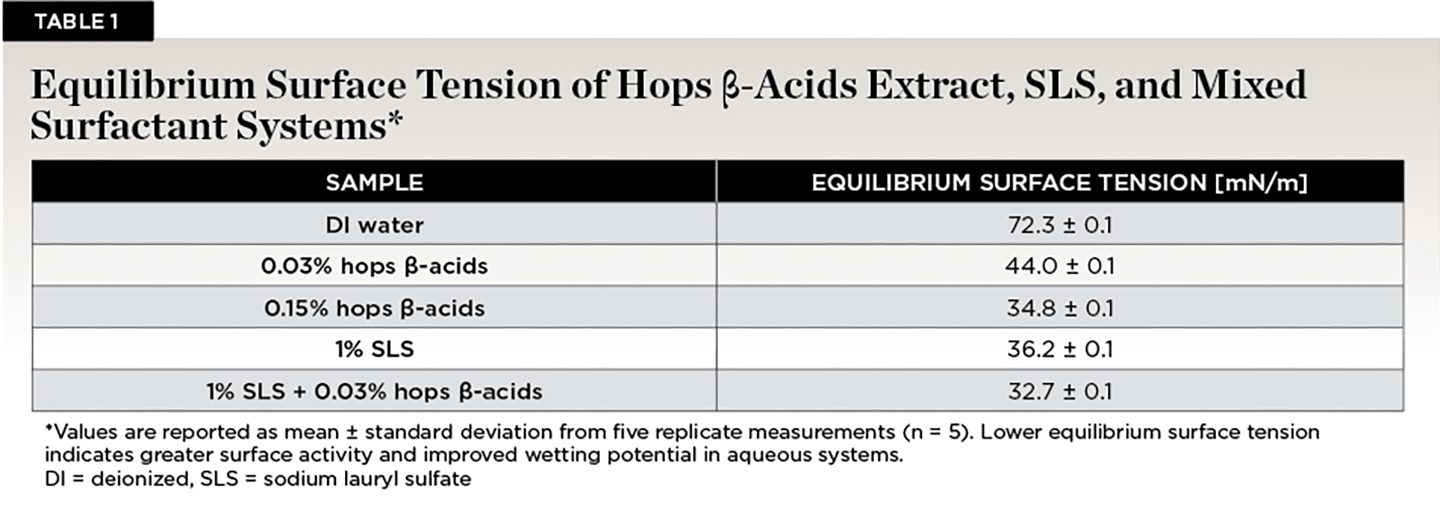
Table 1
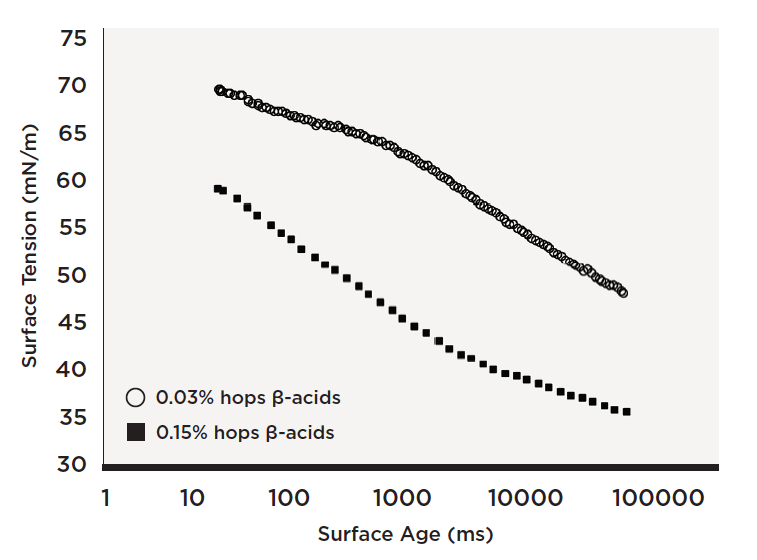
Figure 1
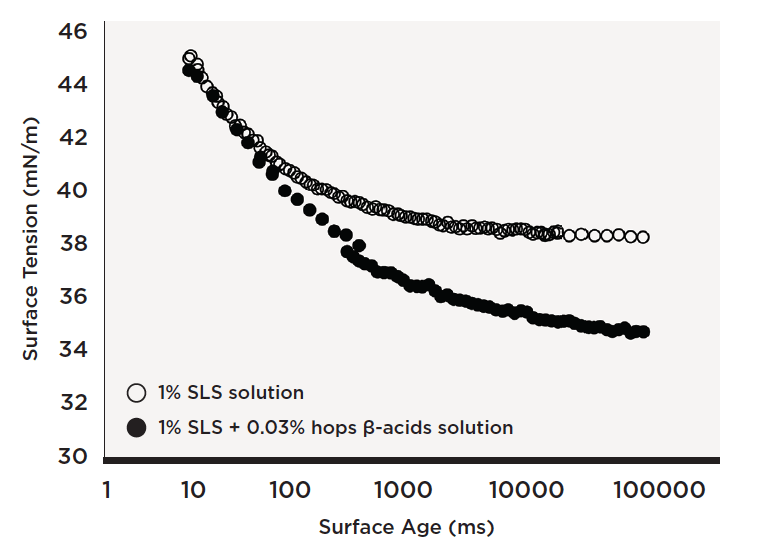
Figure 2
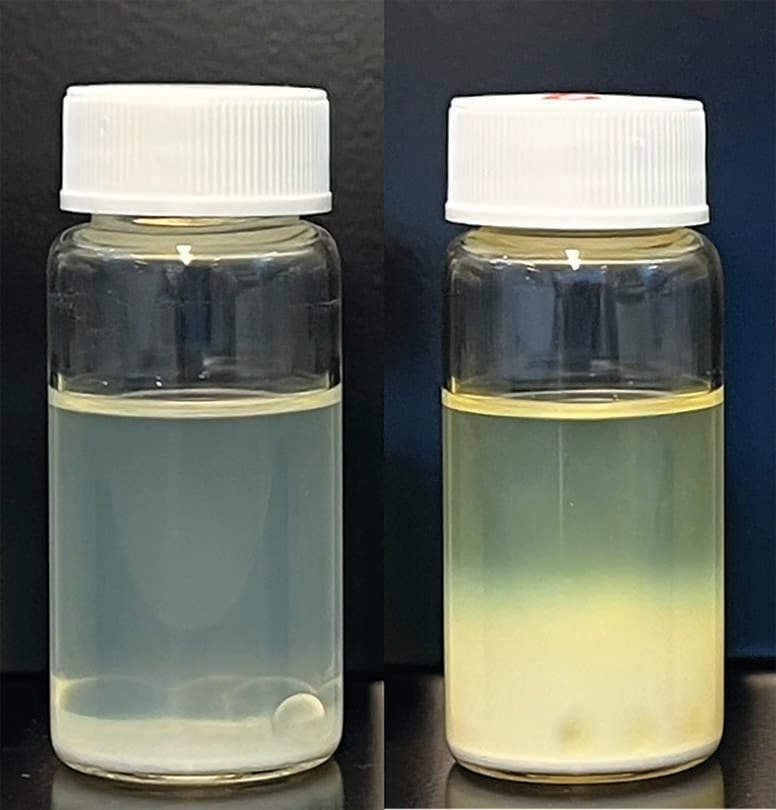
Figure 3
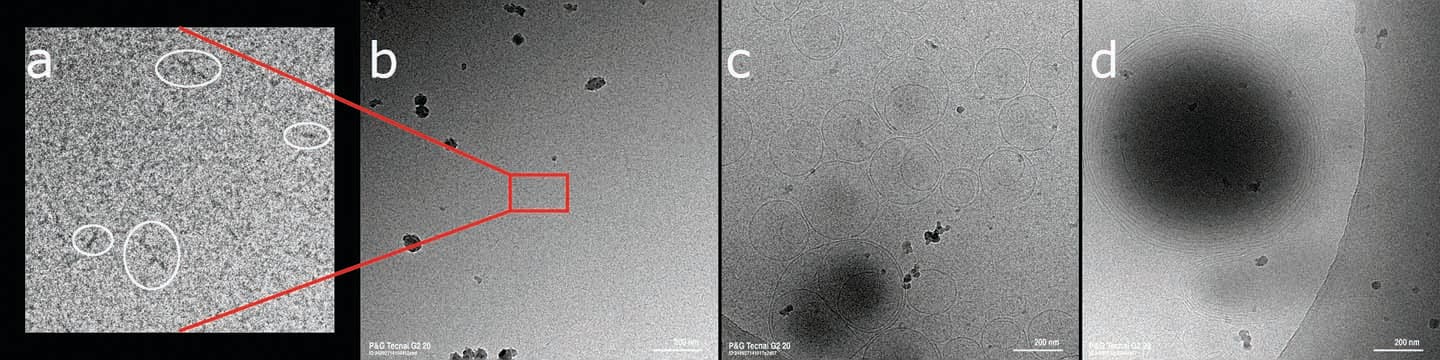
Figure 4
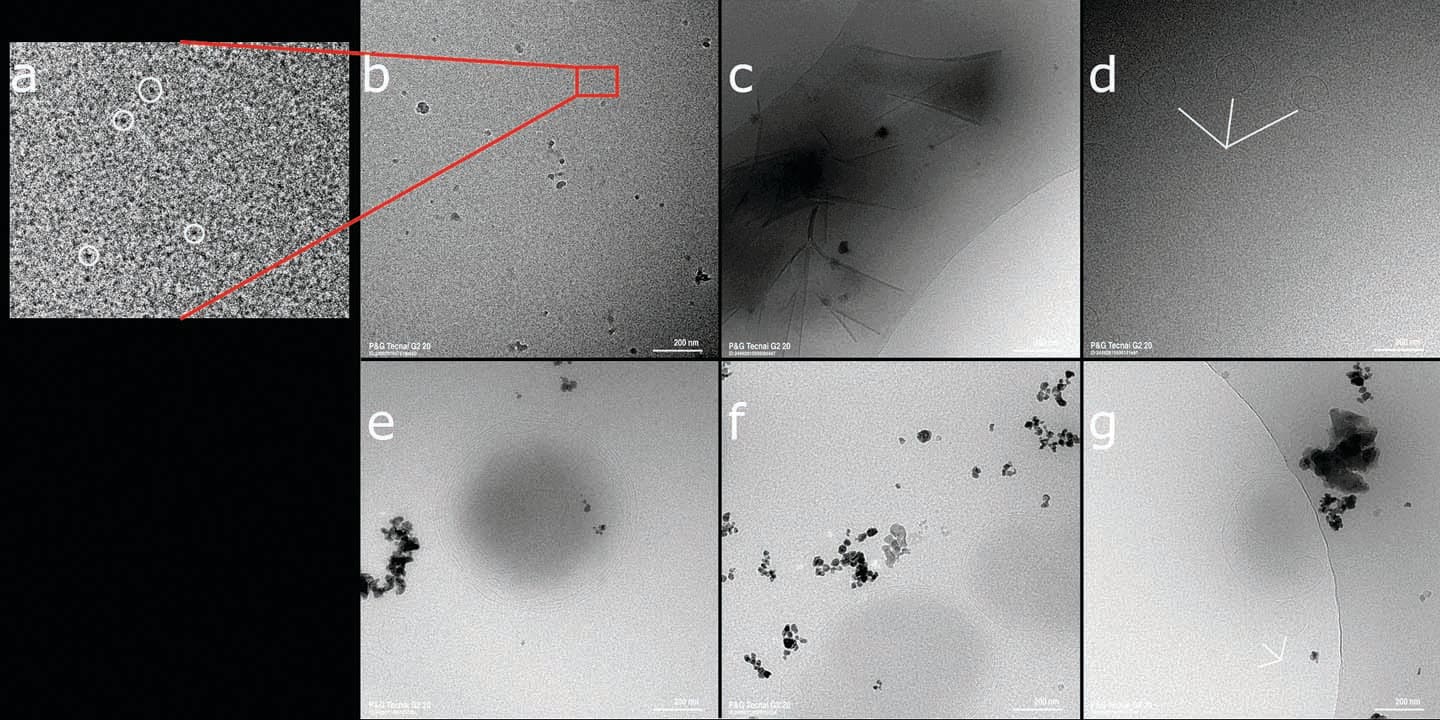
Figure 5
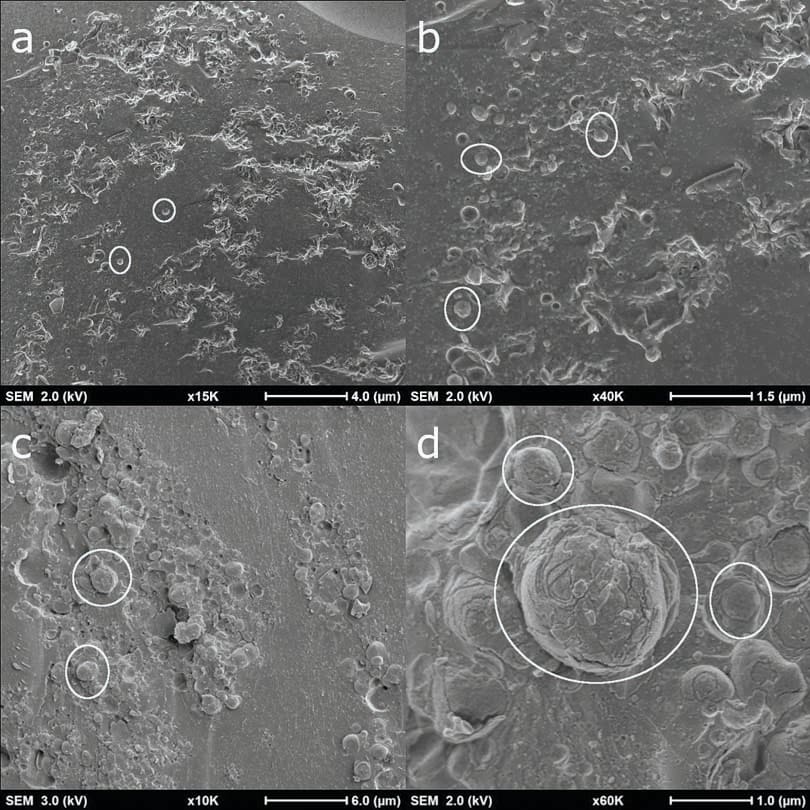
Figure 6
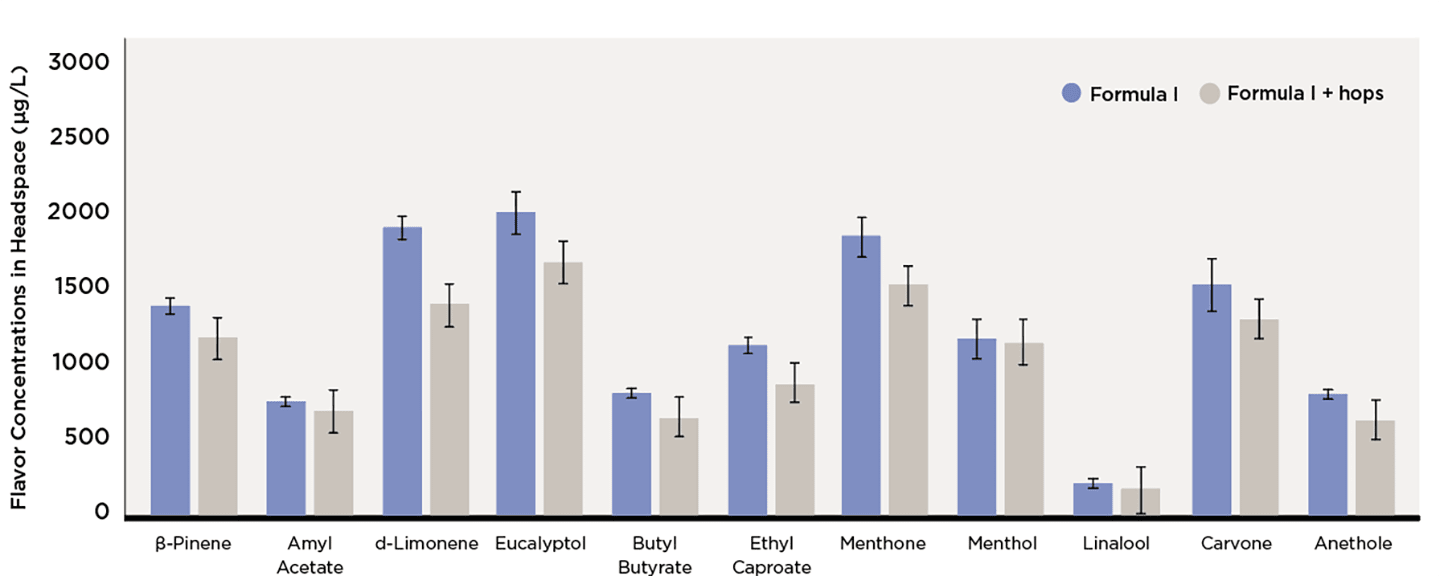
Figure 7 (top)
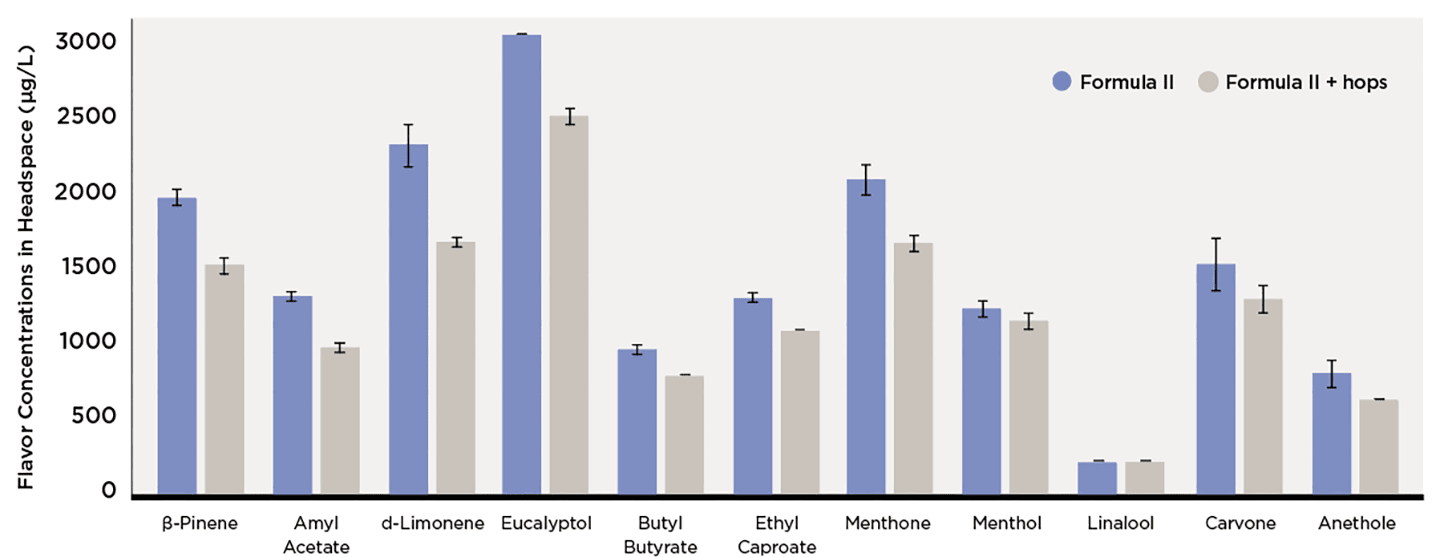
Figure 7 (middle)
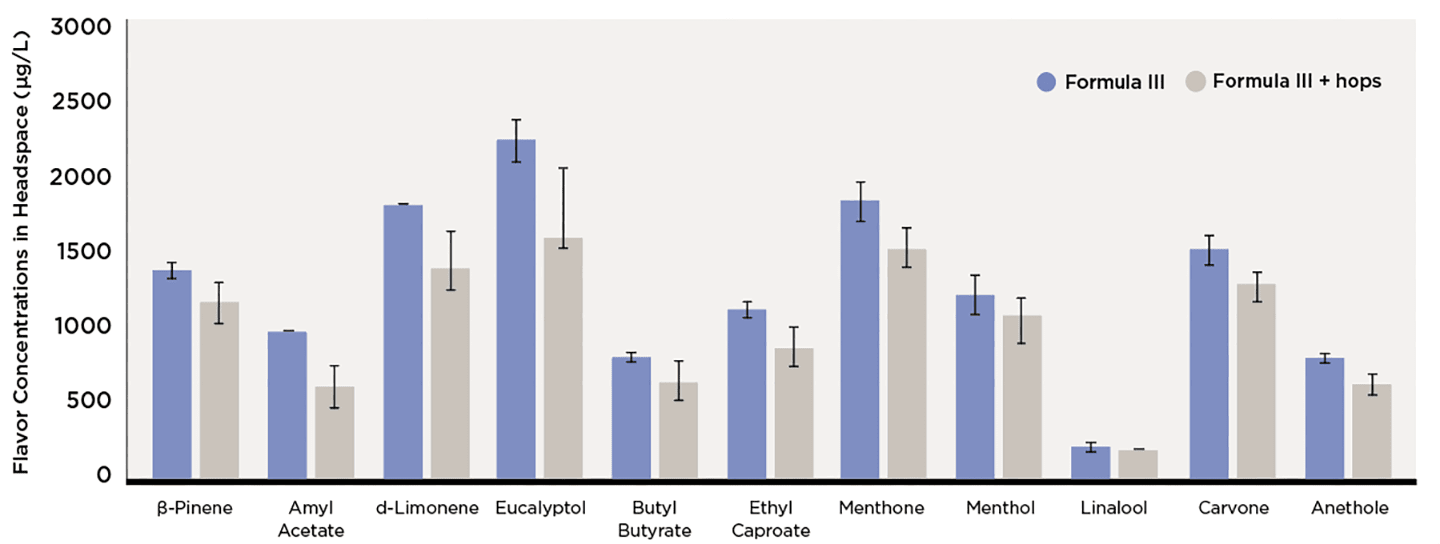
Figure 7 (bottom)
