Abstract: Modern-day time constraints, such as patients’ work schedules, travel, conflicting responsibilities, etc., can create structural barriers that impede patient availability for dental treatments and maintenance. Person-centered care considers patients’ realities and logistical restrictions, helping to increase adherence and continuity of care. Although behavioral tendencies impact compliance and treatment effectiveness, availability as a clinical determinant has received limited attention. This underscores the need for a framework that incorporates behavioral and logistical considerations into daily planning. In this article, five patients receiving periodontal or implant-related care ranging from nonsurgical to complex treatments were classified within a novel proposed framework based on their availability patterns. Treatment pace, communication, and appointment sequencing were adjusted in real-time to accommodate each patient’s level of time availability. By recognizing patients’ availability trends, the authors outlined the B.R.A.V.E. framework (B = Busy, R = Responsible, A = Available, V = Veterans of time, and E = Emergency only). Patients with predictable availability benefited from prompt periodontal regeneration and maintenance therapy, while those with limited or crisis-driven attendance needed flexible scheduling, reassurance, and clear next steps to maintain treatment success. Integrating availability into person-centered care allows for tailored therapy that meets patients’ real-world needs while retaining clinical excellence. The B.R.A.V.E. framework provides a structured strategy to better anticipate attendance patterns and organize periodontal care.
In dentistry, patient availability influences each step of care, from diagnosis, to treatment, to follow-up. Adherence to scheduled visits allows for consistent care and plays a significant role in successful treatment. However, in modern life, time constraints, work schedules, travel, and competing responsibilities are consistently identified as barriers that limit availability and access to dental services. These barriers are recognized in the literature and are considered structural challenges rather than individual shortcomings.1 In periodontal care, these limitations are also associated with decreased long-term stability. The clinical aspects of “patient availability” cannot be underestimated.
Person-centered care (PCC) in dentistry emphasizes adapting dental care to patients’ realities, preferences, and logistical constraints holistically. Rather than expecting patients to fit in traditional scheduling systems, PCC in dentistry focuses on tailoring treatment to the patient’s individual needs, values, and circumstances.2,3 This includes not only clinical preferences but also logistical and behavioral factors that influence their ability to engage with their care.
Aligning scheduling systems with patient behavior can improve access, reduce no-shows, and strengthen continuity of care and long-term oral health outcomes.4 Additionally, personality traits and behavioral tendencies are known to influence compliance, treatment success, and even favorable implant outcomes5,6 when behavioral and logistical dimensions are integrated into the planning of periodontal care.
Methods
This study entailed direct observation and a retrospective case series involving patients receiving care at a private practice specializing in periodontics and implant dentistry (The Perio Studio, Boston, Massachusetts). Patients receiving periodontal or implant-related care ranging from nonsurgical to complex treatments, including guided bone and tissue regeneration and treatment of peri-implantitis, were selected based on provider-identified personality traits aligned with a five-factor model: the B.R.A.V.E. framework (B = Busy, R = Responsible, A = Available, V = Veterans of time, and E = Emergency only).
This proposed framework categorizes patients according to their availability and tailors scheduling strategies to support both clinical excellence and operational efficiency. Recognizing patient availability as a predictable pattern rather than a random occurrence, the authors selected five representative cases to illustrate how specific patients’ availability may influence treatment experience and outcomes. These availability characteristics are outlined in Table 1.
Results
Five patterns of patient availability were developed through ongoing direct clinical observation. The resulting B.R.A.V.E. framework is a systematic model that categorized the patients according to their ideal dental scheduling based on their availability type. This model reflects patient behavior and lifestyle in relation to their availability and compliance in pursuing necessary dental care. Table 1 summarizes the five availability types identified during the observational phase.
The B.R.A.V.E. framework offers a structured approach to understand how availability affects appointment planning, treatment adherence, and continuity of care. Developing a person-centered framework categorically based on the patient’s needs and availability helps strategically plan individualized dental care and continuity of care with improved access and efficient workflow (Table 2).
Discussion
The trends found in this observational study support the idea that patient availability is a regular behavioral trait rather than an unforeseen scheduling issue. Availability reflects the larger reality of patients’ lives, such as work commitments, travel frequency, family duties, and conflicting priorities, which directly affect their capacity to engage in periodontal therapy. This is consistent with the ideals of PCC.1-4 Early detection of these patterns enables dentists to anticipate obstacles, customize communication, and adapt treatment regimens that are both clinically sound and practically feasible.
As summarized in Table 1, each B.R.A.V.E. category represents a distinct scheduling behavioral trait and outlines the corresponding scheduling strategies to support continuity of care and treatment success. The B.R.A.V.E. framework organizes behavioral and logistical variables, encouraging a more purposeful approach to scheduling and avoiding needless disruptions. These findings support the concept that patient behavior, personality features, and motivational tendencies impact treatment success and long-term results.5-7
Although the cases in this study focused on periodontal and implant therapy, this framework has the potential to be expanded to general dental care. However, larger-scale validation is needed. Additionally, clinician interpretation may differ in categorizing patients, leading to variability.
Based on this observational analysis, a case-based approach, as outlined below, was used to explore how individually tailored scheduling and communication strategies can improve patient needs and treatment outcomes in periodontal and implant therapy. (To view the figures presented in the cases, visit compendiumlive.com/go/cced2126.)
Patient “B” (Busy)
Due to demanding travel schedules, Patient B had concerns about undergoing surgical therapy for generalized recession, especially in the upper and lower anterior regions. His limited availability made nonsurgical therapy the most appropriate initial approach, with the patient motivated to achieve a predictable positive outcome. Clear aligner therapy (Invisalign®, Align Technology, Inc., invisalign.com) combined with 3-month periodontal maintenance was recommended. As the treatment progressed, a significant improvement in plaque control and reduction in inflammation were evident on clinical examination and super-imposition of intraoral 3D scans, reflecting strong compliance despite a demanding routine (Figure 1). The patient was provided with a sulcular brush and a water flosser for at-home care. As indicated in Table 2, busy patients can greatly benefit from proactive bundled appointments, which helped the patient in this case maintain care according to his availability.
Patient “R” (Responsible)
A responsible, or responsive, profile is often associated with keeping local commitments, such as family responsibilities, although within-city travels may limit scheduling flexibility. Patient R presented with a hopeless tooth No. 12 that required extraction and site preservation for a future implant-supported restoration. The patient was engaged in his oral care, cooperative, and remained attentive to the recommended treatment and postoperative care. His responsiveness allowed the periodontist to assess the healing in a timely manner and maintain momentum toward implant planning (Figure 2). This illustrates how time-pressed patients can benefit from clearly focused, short appointment schedules and consistent communication to keep the treatment on track.
Patient “A” (Available)
Patient A presented with a periodontal deformity of tooth No. 11, requiring guided tissue regeneration therapy. She matched the “A” profile: consistent, adaptable, and extremely dependable with scheduled visits. These traits enabled the timely coordination of her surgical procedure as well as systematic postoperative and maintenance care. Her consistent presence helped ensure optimal healing and allowed for close monitoring of tissue response throughout the regenerative process (Figure 3). This case highlights how patients with reliable availability enable effective surgical therapy sequencing, uninterrupted follow-up, and desired clinical results in regenerative procedures.
Patient “V” (Veterans of Time)
The patient in this case, Patient V, presented with purulent drainage surrounding implant No. 5, requiring rapid access, debridement, and regenerative therapy. This patient falls under the retired “veteran” category: prompt, adaptable, and constantly present for care. Such patients generally desire reassurance and precise explanations. His flexible schedule allowed for longer sessions for complete debridement and graft placement as well as numerous postoperative examinations to monitor tissue response. His cooperative attitude and consistent attendance were helpful in resolving the infection and promoting peri-implant healing, which led to final restoration of the implant (Figure 4). This case demonstrates how a dependable, retired patient with abundant availability and a positive mindset can facilitate effective management and predictable regenerative results.
Patient “E” (Emergency Only)
Patient E arrived in a crisis, fearing that her teeth were “falling out” due to severe inflammation and seeking immediate treatment. This appointment presented a rare opportunity to intervene because her attendance pattern indicated that she only sought care when symptoms worsened. To minimize inflammation and restore comfort, gross debridement was performed during the initial appointment using desiccation therapy. Because of the urgency of her presentation, she needed unambiguous reassurance and manageable next steps. The emphasis moved to stabilizing the acute condition while urging her to return before symptoms recurred, since patients who present in this manner frequently struggle with regular follow-up (Figure 5). This case shows how the initial phase of care can be shaped by episodic, symptom-driven attendance and emphasizes the importance of steering the patient in the direction of a more planned course.
Conclusion
By recognizing who their patients are and their tendencies, clinicians can deliver exceptional care that is not only clinically sound but operationally smart, curated to their patients’ needs, and emotionally grounded. Understanding behavioral patterns allows clinicians to meet patients where they are, while still holding high standards of care. This proposed B.R.A.V.E. framework contributes to a general understanding of the factors that may come into play when helping patients retain teeth long term, especially when their prognosis may be questionable or poor. By integrating behavioral awareness with clinical judgment, clinicians can guide patients toward more stable, predictable outcomes and reduce the development of edentulism later in life.
ACKNOWLEDGMENT
The authors thank The Perio Studio team, Rose McKenna, Yuchen Wang, and Shirley Huang, for their constant support and feedback. They also acknowledge the restorative colleagues that supported the care of the patients: Katerina Antonellou, DMD, Khaled El Rafie, DMD, and Gabriela Lagreca, DDS, DMD.
ABOUT THE AUTHORS
Estar Rani Vallapu, BDS, MS
Private Practice limited to Periodontology and Implant Dentistry, Boston, Massachusetts
Nika Mehrnia, DDS
Research Fellow, Department of Oral Medicine, Infection, and Immunity, Harvard School of Dental Medicine, Boston, Massachusetts; Graduate Scholar, ADA-Forsyth Institute, Somerville, Massachusetts; Private Practice limited to Periodontology and Implant Dentistry, Boston, Massachusetts
Jessica Sun Reilly, BS
Research Associate, Tufts University School of Dental Medicine, Boston, Massachusetts; Private Practice limited to Periodontology and Implant Dentistry, Boston, Massachusetts
Irina F. Dragan, DMD, DDS, MS, eMBA
Adjunct Associate Professor of Periodontology, Tufts University School of Dental Medicine, Boston, Massachusetts; Lecturer, Department of Oral Medicine, Infection, and Immunity, Harvard School of Dental Medicine, Boston, Massachusetts; Private Practice limited to Periodontology and Implant Dentistry, Boston, Massachusetts
References
1. Dinkel JN, Racek C, Mirwald A, et al. Patient-centered care in dentistry. Clin Soc Work Health Interv. 2024;15(2):13-19.
2. Böhme Kristensen C, Asimakopoulou K, Scambler S. Enhancing patient-centred care in dentistry: a narrative review. Br Med Bull. 2023;148(1):79-88.
3. Mills I, Frost J, Kay E, Moles DR. Person-centred care in dentistry—the patients’ perspective. Br Dent J. 2015;218(7):407-412.
4. Lee H, Chalmers NI, Brow A, et al. Person-centered care model in dentistry. BMC Oral Health. 2018;18(1):198.
5. Redelmeier DA, Najeeb U, Etchells EE. Understanding patient personality in medical care: five-factor model. J Gen Intern Med. 2021;36(7):2111-2114.
6. Wright KE, Luz DS, Dragan IF. Applying patient behavioral assessment to enhance dental implant treatment outcomes. Compend Contin Educ Dent. 2025;46(7):336-342.
7. Seki K, Ikeda T, Urata K, et al. Correlations between implant success rate and personality types in the older people: a preliminary case control study. J Dent Sci. 2022;17(3):1266-1273.
Figures and Images
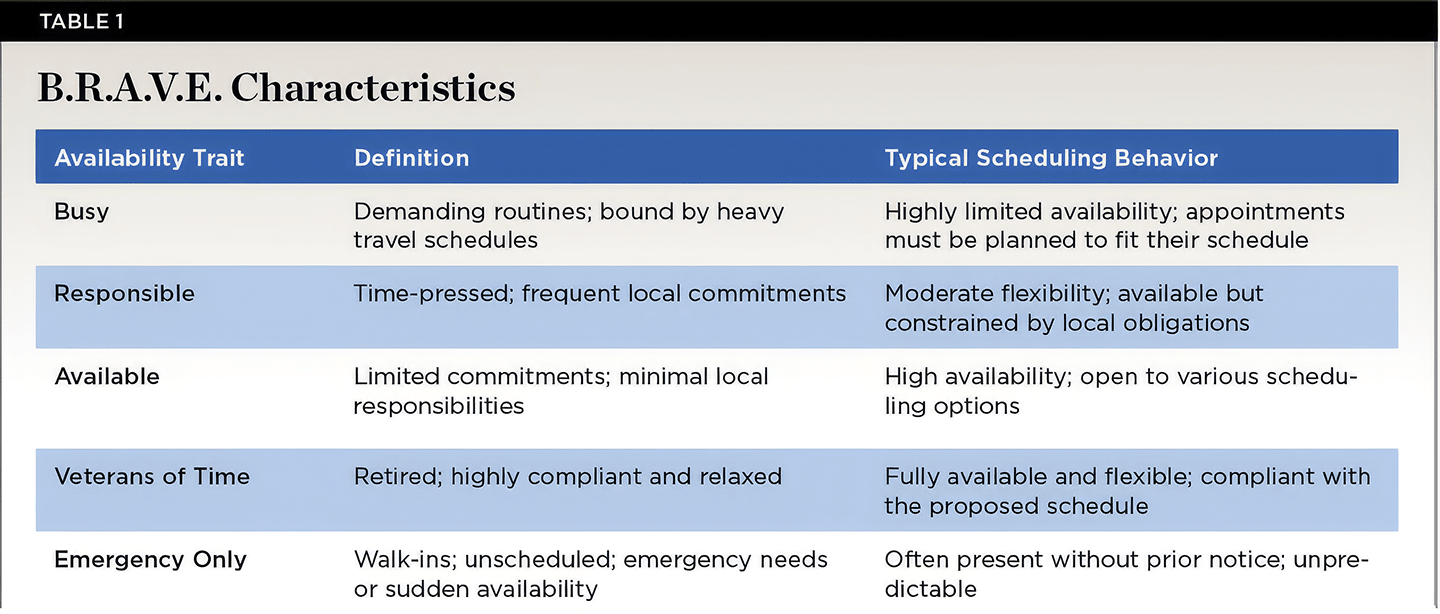
Table 1
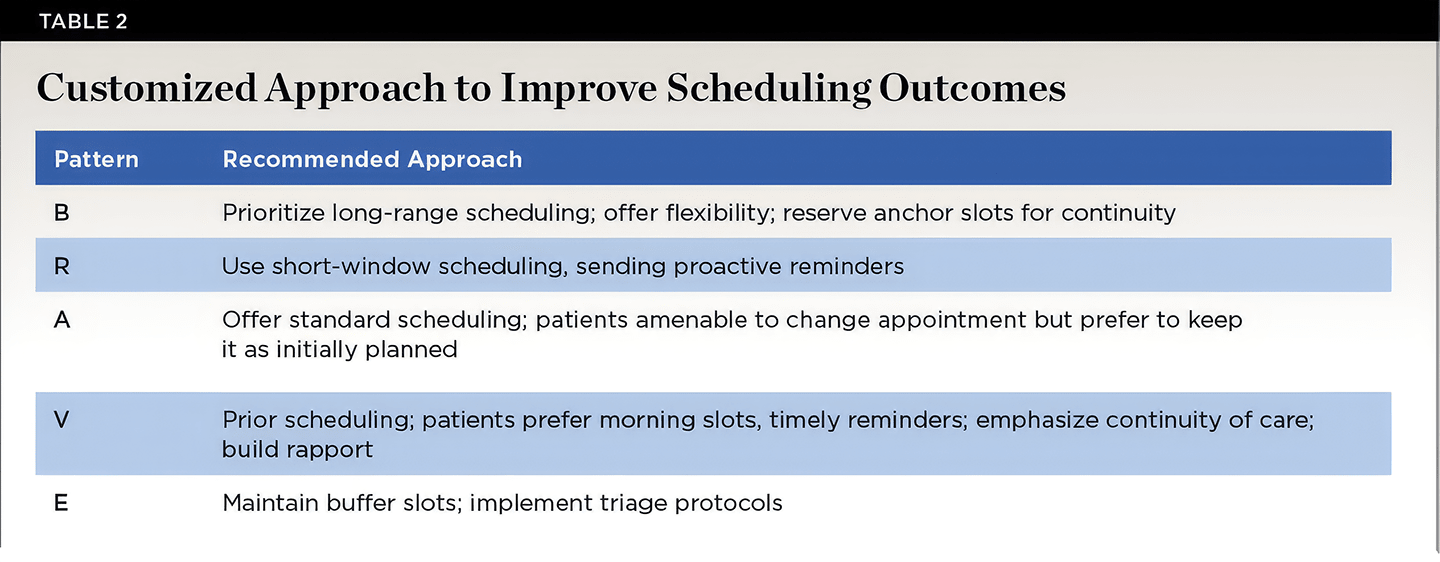
Table 2

Figure 1

Figure 2

Figure 3

Figure 4

Figure 5