New research from Sunstar is shedding light on how systemic health markers influence gingival bleeding in patients with type 2 diabetes, even when plaque control is well managed, pointing toward more personalized approaches in periodontal care.
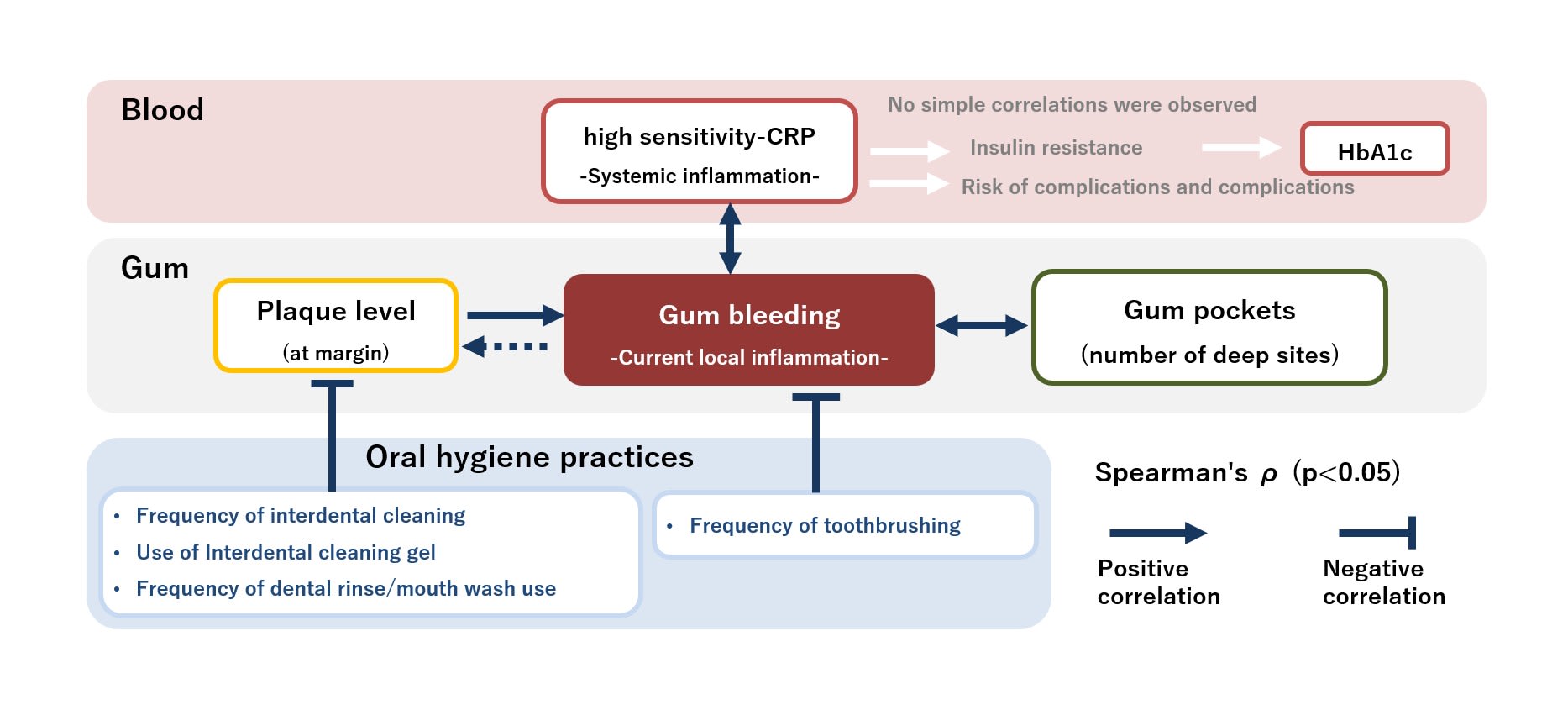
The study, titled ‘Management of periodontal disease based on diabetes-related blood markers,’ analyzed clinical records from 145 patients with type 2 diabetes treated at the Sunstar Foundation’s Senri Dental Clinic in Japan. Investigators examined relationships among HbA1c and high-sensitivity C-reactive protein (CRP) levels, oral health indicators and hygiene behaviors, finding that elevated HbA1c and CRP were associated with increased gum bleeding, regardless of plaque levels.
Results presented at a meeting of the Japan Diabetes Society reinforce that while plaque control remains fundamental, systemic conditions such as glycemic control and inflammation significantly influence gingival outcomes. Patients with higher HbA1c and CRP levels experienced greater bleeding rates even when their plaque control matched that of patients with lower systemic markers.
The analysis also confirmed that oral hygiene habits, including toothbrushing frequency, interdental cleaning and rinsing with oral care products, were associated with improved plaque control. At the same time, gingival bleeding rates were linked not only to plaque levels but also to systemic inflammation and oral hygiene behaviors, suggesting a multifactorial relationship.
Further modeling showed that HbA1c and CRP independently contributed to increased gingival bleeding when assessed separately, but their combined effects indicated an interaction between glycemic control and systemic inflammation. When both markers were elevated, the bleeding response was more pronounced, underscoring the compounded impact of these systemic factors.
Participants were grouped by HbA1c and CRP thresholds, and across all groups, increased plaque corresponded with higher bleeding rates. However, the highest bleeding incidence occurred in patients with both elevated HbA1c and CRP, demonstrating that systemic health status can amplify periodontal responses even at similar plaque levels.
These findings are now being translated into clinical practice at Senri Dental Clinic, where personalized plaque control targets and oral hygiene protocols are being implemented for patients with diabetes. The approach incorporates blood test values into risk assessment and emphasizes ongoing management rather than isolated referrals, encouraging closer collaboration between dental and medical professionals.
Dr. Hidenori Suzuki, director, Sunstar Foundation Senri Dental Clinic, commented: “For patients with both periodontal disease and diabetes, we’ve always explained the importance of plaque control and the relationship between the two diseases, but previously it has been difficult to present concrete goals.
“Although this is a cross-sectional study based on a single dental practice, we’re now able to quantify plaque control goals based on blood markers.
“Periodontal treatment often takes a long time and some patients can feel anxious thinking ‘when will it end?’ or ‘is it effective?’. Sharing personalized goals between patients and their care providers is the first step toward motivating both parties to work together on long-term treatment.”
The study also highlights a gap in existing research, which has largely focused on initial periodontal treatment rather than ongoing maintenance strategies guided by systemic health indicators. By integrating blood-marker data into long-term care planning, the findings support a more tailored and collaborative model for managing periodontal disease in patients with type 2 diabetes.
Sunstar, a global oral care company headquartered in Switzerland and founded in Osaka, Japan in 1932, operates across consumer and industrial sectors with a focus on promoting overall health and longevity. Through its oral care portfolio and clinical research initiatives, including work conducted at the Senri Dental Clinic, the company continues to explore the connections between systemic and oral health to inform clinical practice.
More information about the company is available at www.sunstar.com.
Figures and Images